
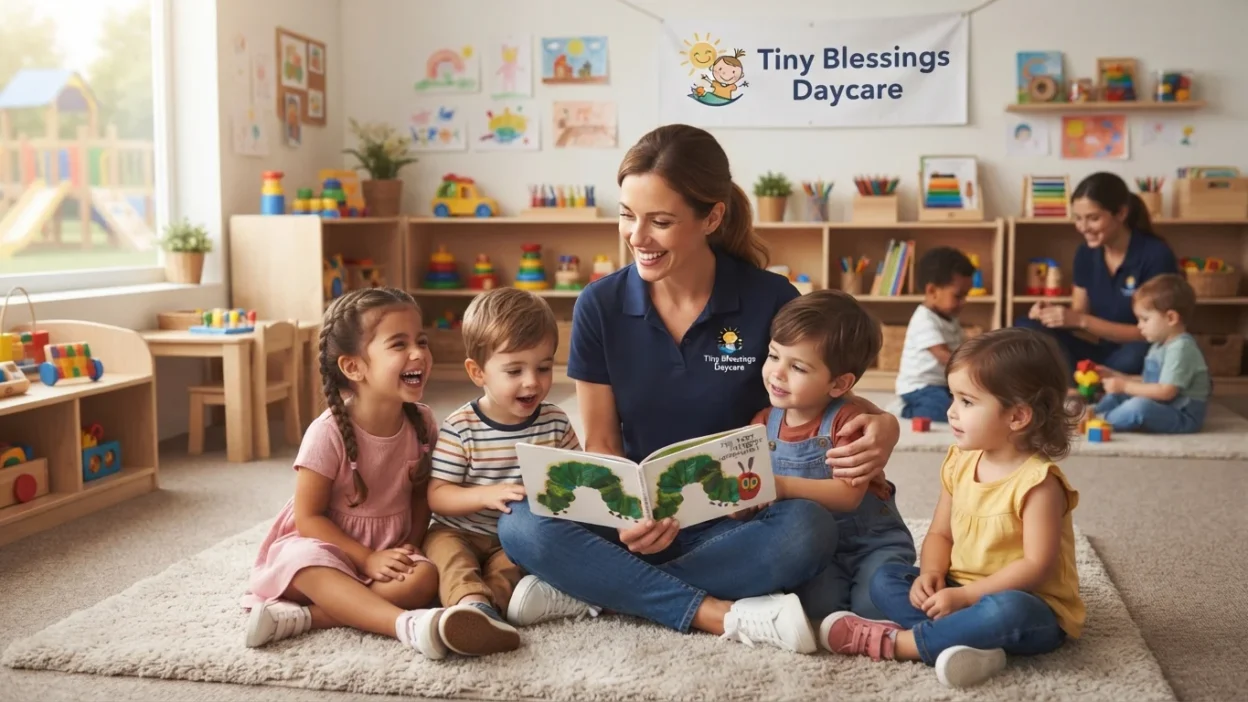
Choosing childcare is one of the biggest decisions a parent can make. You want your child to feel safe, loved, comfortable, and ready to learn. At the same time, you need a daycare that fits your family’s schedule, budget, values, and daily routine.
Tiny Blessings Daycare is a name used by several childcare providers, so parents should always verify the specific location they are considering. Different centers may offer different ages, schedules, teaching approaches, prices, and enrollment policies.
Still, the qualities families look for are often similar. A strong daycare should provide a safe environment, caring adults, age-appropriate activities, healthy routines, and open communication with parents.
🌸 What Is Tiny Blessings Daycare?
The name Tiny Blessings Daycare is associated with multiple childcare programs rather than one nationwide daycare organization. Search results show providers offering infant care, toddler programs, preschool education, play-based activities, and family-centered care.
Because locations can differ, parents should check the individual center before making a decision.
- Ask which ages the center accepts.
- Confirm whether full-time care is available.
- Ask about part-time options.
- Check the center’s current operating hours.
- Request current tuition information.
- Ask about meals and snacks.
- Review enrollment requirements.
- Tour the facility before enrolling.
The best choice is not simply the daycare with the nicest name. It is the place where your child can receive consistent, safe, and loving care.
🧸 What Makes a Good Daycare?
A quality daycare should support the whole child. That means physical safety matters, but emotional security, social development, communication, and learning matter too.
Several Tiny Blessings providers emphasize nurturing care, developmentally appropriate activities, and individualized attention.
- Caring and attentive teachers
- Clean and secure classrooms
- Age-appropriate activities
- Safe outdoor play
- Predictable daily routines
- Positive teacher-child relationships
- Clear parent communication
- Opportunities for social development
Parents should also watch how staff interact with children during a visit. Do teachers speak calmly? Do children appear comfortable? Does the environment feel organized without being overly restrictive?
These small observations can tell you a lot.
👶 Infant Care at Tiny Blessings Daycare
Infant care requires extra attention because babies have very different needs from older children. Feeding, sleeping, diapering, soothing, and development all need to be handled carefully.
Some Tiny Blessings programs specifically offer infant care, while others may have different age requirements.
- Ask about the minimum enrollment age.
- Discuss your baby’s feeding routine.
- Explain your preferred nap schedule.
- Ask how diaper changes are handled.
- Learn how parents receive updates.
- Ask about safe sleep practices.
- Discuss allergies or dietary needs.
- Find out how infants are comforted.
A good infant program should respect your baby’s individual rhythm while maintaining safe and consistent routines.
Before enrollment, give caregivers clear information about your child’s habits. The more they understand your baby’s routine, the easier the transition may be.
🧩 Toddler Programs and Early Learning
Toddlers learn by moving, touching, talking, observing, and trying things themselves. A strong toddler program should provide plenty of opportunities for exploration while maintaining safe boundaries.
Montessori-oriented Tiny Blessings programs, for example, describe activities designed to build language, motor skills, independence, confidence, and social development.
- Building and stacking activities
- Music and movement
- Story time
- Art projects
- Simple puzzles
- Outdoor exploration
- Language activities
- Practical life skills
At this age, learning does not need to look like formal schoolwork. Washing hands, putting away toys, talking with friends, and choosing an activity can all support development.
That is why parents should look for a daycare that balances guided learning with plenty of age-appropriate play.
🎨 Preschool Learning at Tiny Blessings Daycare
Preschool is an important bridge between early childhood care and kindergarten. Children begin developing skills that can help them become more independent and confident learners.
Some Tiny Blessings programs describe preschool activities involving hands-on exploration, creativity, social-emotional development, and early academic preparation.
- Early literacy activities
- Numbers and counting
- Creative art
- Science exploration
- Music and movement
- Group discussions
- Social-emotional learning
- Kindergarten readiness
The goal should not be to make preschool feel like elementary school. Instead, children can learn through meaningful activities that match their developmental stage.
Look for teachers who encourage children to ask questions, solve simple problems, communicate clearly, and try again when something is difficult.
🛝 Play-Based Learning and Daily Activities
Play is one of the most natural ways young children learn. Through play, children practice language, movement, imagination, cooperation, decision-making, and problem-solving.
Tiny Blessings providers commonly highlight play, hands-on learning, and developmentally appropriate activities.
- Pretend-play centers
- Blocks and building toys
- Sensory activities
- Storytelling
- Drawing and painting
- Music activities
- Outdoor games
- Free-choice play
A good daily schedule should provide both structure and flexibility. Children benefit from knowing what comes next, but they also need time to explore their interests.
Ask to see a sample daily schedule during your daycare tour. It can help you understand how learning, meals, naps, outdoor time, and free play are balanced.
🔒 Safety at Tiny Blessings Daycare
Safety should always be one of the first things parents investigate. A welcoming classroom is important, but secure entry, supervision, emergency planning, and safe equipment matter just as much.
Specific safety policies vary by location. For example, one Tiny Blessings provider highlights controlled entry and cameras as part of its safety approach.
- Ask how visitors enter.
- Check classroom supervision.
- Ask about emergency procedures.
- Review pickup authorization rules.
- Look at outdoor fencing.
- Ask about first-aid procedures.
- Check playground equipment.
- Ask how illness is handled.
Do not hesitate to ask direct questions. Responsible childcare providers should understand why parents want detailed information about safety.
You should also confirm the facility’s licensing or regulatory status through the appropriate state or local authority.
🍎 Meals, Snacks, and Healthy Routines
Food can become a major part of a young child’s day. Depending on the provider, daycare may offer meals and snacks or require families to send food from home.
Some Tiny Blessings providers advertise nutritious meals or provide food during the childcare day.
- Ask whether meals are included.
- Check the snack schedule.
- Discuss food allergies.
- Ask about special diets.
- Find out how food is stored.
- Ask about drinking water.
- Discuss infant feeding instructions.
- Request a sample menu if available.
Consistency is especially helpful for young children. Regular meal, rest, and activity times can make the daycare day easier to understand.
Always provide the center with accurate information about allergies and dietary restrictions.
❤️ Emotional Support and Social Development
Children need more than supervision. They need adults who listen, comfort them, encourage them, and help them understand their feelings.
A nurturing environment can help children develop confidence and positive relationships. Tiny Blessings providers commonly describe family connection, individualized care, and emotional or social growth as important parts of their approach.
- Encourage kind communication.
- Help children name emotions.
- Support sharing and cooperation.
- Offer comfort during difficult moments.
- Celebrate small achievements.
- Teach age-appropriate independence.
- Encourage friendships.
- Respect individual personalities.
Parents should observe whether teachers respond patiently to children. A child does not need perfect behavior to deserve kindness.
The right daycare should feel like a place where children can gradually become more confident while knowing that trusted adults are there to help.
👨👩👧 Parent Communication and Family Involvement
Good communication can make daycare much easier for both parents and children. Families should know how updates, concerns, incidents, schedules, and important announcements are shared.
Some Tiny Blessings programs specifically describe parents as partners in the childcare experience.
- Ask how daily updates are provided.
- Find out who your main contact is.
- Ask how incidents are reported.
- Learn how schedule changes are communicated.
- Discuss parent-teacher meetings.
- Ask about classroom photos.
- Confirm pickup procedures.
- Share your child’s routines.
Do not wait until a problem becomes serious before communicating. A healthy parent-caregiver relationship makes it easier to discuss your child’s progress and needs.
📝 Questions to Ask Before Enrolling
A daycare tour is the perfect time to ask practical questions. You should leave with a clear understanding of the center’s policies, costs, schedule, and approach.
Use this checklist when visiting Tiny Blessings Daycare:
- What ages do you accept?
- What are the current tuition rates?
- What are your hours?
- Are meals included?
- What is the teacher-to-child ratio?
- How do you handle naps?
- What is your illness policy?
- How do you communicate with parents?
- What happens during emergencies?
- What paperwork is required?
Also ask whether there is a waiting list. Some childcare programs have limited spaces, particularly for infants and younger children.
If possible, visit more than once. A second visit can reveal details you may have missed the first time.
🌱 How to Prepare Your Child for Daycare
Starting daycare can be exciting and difficult at the same time. A little preparation can help your child feel more comfortable.
- Talk positively about daycare.
- Explain what will happen.
- Practice short separations.
- Introduce a simple routine.
- Label your child’s belongings.
- Share comfort strategies with teachers.
- Keep goodbye routines short.
- Remain calm and reassuring.
Children often take emotional cues from their parents. A confident, warm goodbye can communicate that the new environment is safe.
Some children adjust quickly, while others need more time. Patience and consistency can make the transition smoother.
💡 How to Choose the Right Tiny Blessings Daycare
There is no single daycare that is perfect for every family. Your best choice depends on your child’s age, your schedule, your budget, your location, and your family’s priorities.
Before choosing Tiny Blessings Daycare, compare the specific location against your needs.
- Visit the facility.
- Meet the caregivers.
- Compare schedules.
- Review tuition and fees.
- Check available programs.
- Ask about safety procedures.
- Read recent parent feedback carefully.
- Verify licensing information.
Online information is useful, but it should not replace a personal visit. The specific provider’s policies are what matter most.
Remember that similarly named Tiny Blessings programs can have very different services. Current search results show providers in multiple states and communities, including programs with different educational models and schedules.
🌟 Benefits Parents May Look for in Tiny Blessings Daycare
A well-run childcare program can support parents while helping children grow socially, emotionally, physically, and intellectually.
Potential benefits include:
- Reliable daytime childcare
- Consistent daily routines
- Social interaction
- Early learning opportunities
- Safe play experiences
- Support for independence
- Preparation for preschool or kindergarten
- Stronger communication between caregivers and families
The most important benefit, however, is peace of mind. Parents should feel confident that their child is being treated with patience, respect, and care.
When children feel secure, they have more freedom to explore, learn, play, and build relationships.
❓ Frequently Asked Questions About Tiny Blessings Daycare
What ages does Tiny Blessings Daycare accept?
There is no single age range for every provider using this name. Some Tiny Blessings programs accept infants and continue through preschool, while others have different age requirements. Always confirm the specific center’s current enrollment ages.
Is Tiny Blessings Daycare available full time?
Some providers offer full-time care, but schedules vary by location. One Tiny Blessings Daycare and Learning Center advertises full-time daycare and preschool for children from 6 weeks to 5 years.
Does Tiny Blessings Daycare provide preschool?
Yes, some providers using the Tiny Blessings name offer preschool programs. Their approaches can differ, including play-based, faith-based, or Montessori-inspired learning.
Is Tiny Blessings Daycare faith-based?
Some locations are faith-based, while others may not be. For example, one Tiny Blessings program describes Christian principles as part of its educational philosophy. Parents should ask the specific location about its values and curriculum.
Does Tiny Blessings Daycare offer infant care?
Some do. Certain Tiny Blessings programs accept babies as young as 6 weeks, while others may have different age requirements. Always confirm directly with the location you are considering.
How much does Tiny Blessings Daycare cost?
Tuition depends on the specific location, child’s age, schedule, and services included. Because there are multiple providers using the name, parents should request the latest tuition sheet directly from their chosen center.
What should I bring to daycare?
Common items may include diapers, wipes, extra clothes, labeled bottles, comfort items, and age-appropriate supplies. Your daycare should provide a current list based on your child’s age and program.
How do I know if a daycare is right for my child?
Visit the facility, meet the caregivers, review safety policies, ask detailed questions, and observe how children are treated. Your child’s comfort and your confidence in the caregivers should both matter.
🌷 Final Thoughts
Finding childcare is about much more than finding an open spot. Parents want a place where children can feel safe, supported, encouraged, and loved while they learn about the world.
Tiny Blessings Daycare can refer to different childcare providers, so the most important step is to research the exact location you are considering. Compare its programs, safety practices, schedule, tuition, learning approach, and communication policies with your family’s needs.
Take your time, ask questions, and trust what you observe during your visit. The right childcare environment can become a meaningful part of your child’s early years—and a source of reassurance for the entire family.