If you received a 2535 Text message, you may be wondering who sent it, why it appeared on your phone, and whether you need to respond. A four-digit number can look unusual, especially when you don’t recognize it as a normal phone number.
In the United States, 2535 is associated with T-Mobile short-code messaging and campaigns. T-Mobile lists 2535 among its campaign short codes and also includes it among other codes used for mobile services. However, the exact reason for a message can depend on the content you received and your mobile account.
Therefore, don’t judge the message by the number alone. The safest approach is to look at the message itself, consider whether you recently interacted with a service, and avoid links or requests that seem suspicious.
This guide explains what 2535 can mean, why you might receive a message from it, how to recognize legitimate messages, and what to do if the text looks like spam.
📱 What Is a 2535 Text Message?
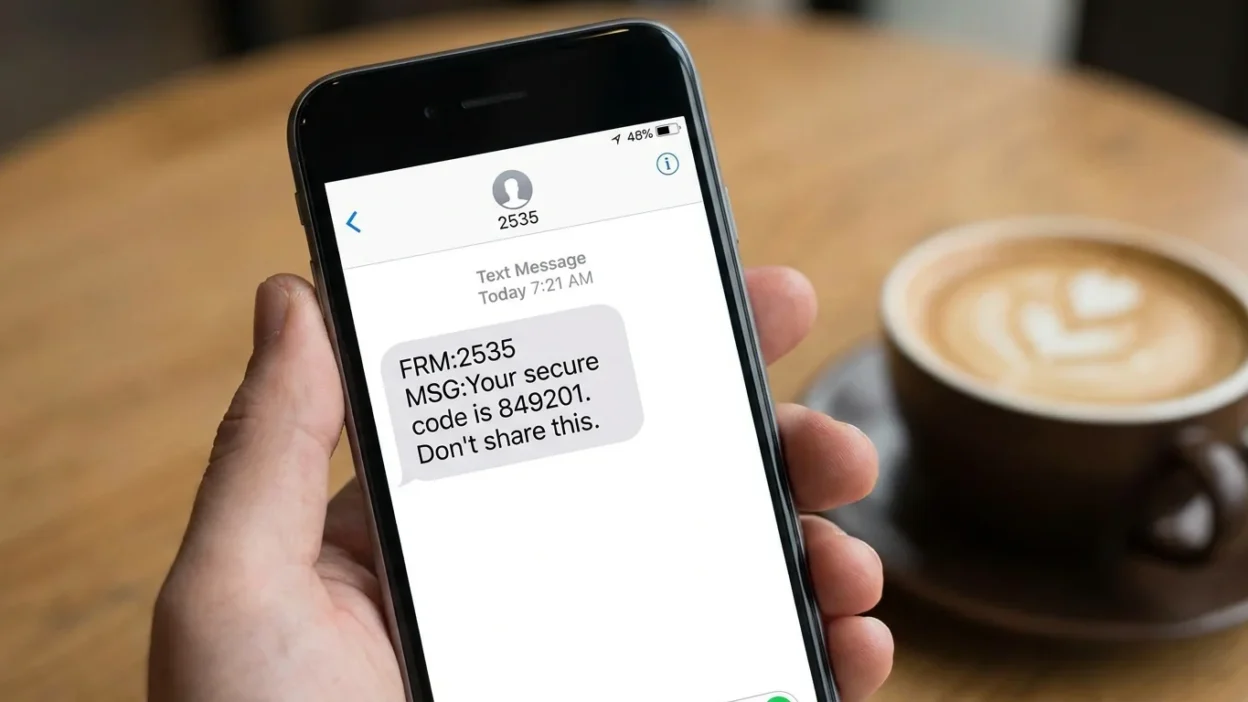
A 2535 Text message generally refers to an SMS sent from the four-digit short code 2535.
- Unlike a regular mobile number, a short code uses only a few digits. Businesses, mobile carriers, automated services, and other messaging systems can use short codes to communicate with customers.
- T-Mobile’s official short-code information identifies 2535 as one of its campaign codes. The same page also lists 2535 among other T-Mobile codes used for various services and communications.
- That distinction matters because a short code doesn’t necessarily identify one single type of message. The number can be connected with a particular campaign or service rather than functioning like an ordinary person’s phone number.
- As a result, the message content provides important context.
For example, you might receive a message containing an account notification, promotional information, service update, or another automated communication. The exact wording can help you determine why the message arrived.
🔎 Why Did I Receive a Text From 2535?
There are several possible reasons for receiving a message from 2535.
- First, you may have interacted with a mobile service that uses automated SMS communication. In that situation, the message could be connected with an account, campaign, notification, or service activity.
- Second, you might have received a promotional message. Companies and carriers often use short codes to deliver marketing communications to customers who have opted into certain messages.
- Additionally, a message can arrive because of an account-related event. For example, you may have recently changed a service, requested information, or interacted with a carrier feature.
- However, not every unexpected message should be trusted automatically.
- The most useful clue is the message itself. Check whether it clearly identifies the company or service, explains why you’re receiving the message, and provides reasonable instructions.
If you recently made a change to your mobile account, the timing may also provide useful context.
💬 Is 2535 a T-Mobile Number?
2535 is listed by T-Mobile as a short code associated with T-Mobile campaigns. It is not presented as a normal 10-digit telephone number.
- This is an important difference.
- A traditional phone number normally contains an area code and a seven-digit local number in the United States. A short code, by contrast, contains only a few digits and is designed for automated messaging.
- T-Mobile’s published short-code information specifically includes 2535 among its campaign codes. It also explains that short codes can be country-specific, meaning the same digits can potentially support different services in different countries.
- Therefore, seeing 2535 on your phone does not automatically mean that an individual person is contacting you.
- In many cases, the number represents an automated messaging system.
📨 What Kind of Messages Can Come From 2535?
The exact content can vary, so it’s better to focus on the message rather than assume one fixed meaning.
A message associated with a short code may contain information about a campaign, service, account activity, or another automated communication.
For example, the text might have language such as:
- A service announcement
- A promotional offer
- An account-related notification
- A campaign message
- Instructions for responding
- Information about a mobile service
- A request to review an offer
The wording matters because short codes can support different communication purposes.
Furthermore, legitimate automated messages usually provide enough context for the recipient to understand why they received the text.
If the message simply says something vague like “urgent action required” and immediately pushes you toward an unfamiliar website, slow down.
A legitimate-looking short code does not make every message automatically safe.
⚠️ Is a 2535 Text Message a Scam?
Not necessarily.
The number 2535 itself is associated with T-Mobile’s listed short-code system, so its appearance alone does not prove that a message is fraudulent.
At the same time, you shouldn’t assume that every unexpected text is trustworthy simply because it comes from a short code.
Scammers can use many techniques to make messages look convincing. They may copy familiar company names, create urgent language, or encourage you to click a link.
Therefore, examine the message carefully.
Be especially cautious if the text:
- Demands immediate payment
- Requests your password
- Asks for a verification code
- Requests banking information
- Uses threatening language
- Contains a suspicious shortened link
- Claims your account will be closed immediately
- Asks you to download an unfamiliar app
- Offers an unrealistic reward
- Contains strange spelling or formatting
These signs don’t prove fraud individually. However, several of them together should make you more cautious.
🛡️ How to Check Whether the Message Is Legitimate
You don’t need to become a cybersecurity expert to investigate an unexpected text.
- Start by reading the entire message. Don’t click anything immediately.
- Next, ask yourself whether the message makes sense based on something you recently did. Did you change your mobile plan? Did you request a service? Did you sign up for a promotion?
- After that, look for identifying information.
- A trustworthy message should usually provide enough context to explain its purpose. If it mentions an account, compare the information with your official account rather than relying on the text’s instructions.
- For example, if a message claims that your mobile account needs attention, open your carrier’s official app or type the known website address yourself.
- Don’t use a link inside an unexpected message to verify the same message.
- That simple habit can reduce the risk of accidentally visiting a fraudulent website.
🚫 Should You Reply to 2535?
Whether you should reply depends on the message and the service behind it.
- Some legitimate SMS systems provide response options. Others may not accept replies at all.
- T-Mobile explains that its short codes support specific services and that short-code behavior can vary by service and country.
- Therefore, don’t send personal information simply because a message appears to come from a familiar short code.
- If the text asks you to provide sensitive information, verify the request independently first.
- Also, don’t assume that replying is always the best way to stop unwanted messages. Check the instructions provided by the service and use your carrier’s available spam controls when appropriate.
When a message appears suspicious, avoiding interaction is often the safer first step.
🔐 What Should You Do If 2535 Asks for Personal Information?
Treat requests for sensitive information carefully.
- A text message should not automatically earn your trust simply because it comes from a four-digit number.
- Never share passwords, banking credentials, security codes, or other highly sensitive information through an unexpected text.
- Instead, verify the request through an official channel.
- For example, suppose the message says your mobile account needs verification. Rather than following the text’s link, open your carrier’s official application or use contact information you already know.
- Likewise, if the message claims to come from a financial institution, contact that institution through its official website, application, or statement.
- This approach separates the claim from the source making the claim.
In other words, you’re independently confirming the information instead of allowing the message to control your next step.
📲 2535 Short Code vs. a Regular Phone Number
It can be confusing when a message comes from 2535 instead of a normal phone number.
- A regular phone number identifies a telephone line using a longer numeric format. A short code is designed specifically for messaging and automated services.
- Short codes are commonly used for high-volume communications because they’re easier for customers to recognize and remember.
- For example, businesses can use short codes for notifications, promotions, customer interactions, or service communications.
- However, the same four-digit number doesn’t necessarily have the same purpose everywhere.
- T-Mobile notes that short codes are country-specific. Therefore, you shouldn’t assume that a short code has an identical function in another country.
- This explains why online searches sometimes produce conflicting information about the same number.
- The country, carrier, message content, and service involved can all affect the meaning.
🌎 Does 2535 Mean the Same Thing Everywhere?
Short codes are generally tied to particular messaging systems and services. Their meaning can change depending on the country and carrier.
- T-Mobile specifically notes that short codes are country-specific. It gives the example that a code used for one service in the United States may support a different service in another country.
- Consequently, an explanation found on an international website may not apply to your situation.
- If you’re in the United States and use T-Mobile, its published short-code information is more relevant than an unrelated international list.
- Similarly, if you’re using another carrier, you should consider that carrier’s information before drawing conclusions.
- The message content remains important in either case.
👥 Why Short Codes Are Used for Texting
Short codes make automated messaging easier to manage.
- Instead of sending messages from long telephone numbers, organizations can use recognizable short codes for specific campaigns or services.
- This setup can be useful when a company needs to communicate with many customers.
- For consumers, short codes can also make certain services easier to identify. A memorable number is simpler to recognize than a random long telephone number.
- Moreover, automated messaging can help companies send notifications quickly.
- However, convenience also creates an opportunity for abuse. That’s why recipients should still inspect unexpected messages carefully.
- A short code is a messaging format, not a guarantee of trust.
- That distinction is worth remembering whenever an unfamiliar message appears on your phone.
💼 2535 Text Messages and Professional Communication
A message from 2535 is different from an ordinary workplace conversation.
- You generally don’t need to treat a short-code message like a personal text from a coworker or manager. Instead, it usually belongs to an automated communication system.
- If you’re using a work phone, however, be careful with links and attachments.
- Company devices may contain sensitive information. Opening suspicious content can create unnecessary security risks.
- For workplace-related alerts, verify important information through your organization’s normal systems.
- For example, if a text claims to require an urgent employee login, check the company’s internal portal rather than following an unfamiliar link.
- This habit is useful even when the message appears professional.
👨👩👧 How Different People May Interpret 2535
People can interpret short-code messages differently based on their experience.
- A younger user who regularly receives automated texts may immediately recognize the number as a short code.
- Meanwhile, someone who rarely uses SMS services may assume that the number belongs to a person.
- Older users may also be more cautious when a message doesn’t identify itself clearly.
- Similarly, someone who recently changed carriers may have different expectations about automated messages.
- These differences show why context matters.
- Instead of asking only, “Who is 2535?”, ask three questions:
- Why did this message arrive?
- What does the message want me to do?
- Can I verify that request independently?
- Those questions provide a more reliable way to evaluate an unexpected text.
🧠 Common Mistakes People Make With 2535 Messages
- One common mistake is assuming that every short code is a scam.
- That’s too broad.
- Another mistake is assuming that every carrier-associated short code is automatically safe.
- That’s also too broad.
- The better approach is to evaluate the actual message.
- A third mistake involves clicking a link before understanding the request. Once you open a suspicious website, you may expose yourself to phishing or other unwanted activity.
- Another mistake is sharing a one-time verification code. Legitimate organizations have specific processes for security codes, and you should never give a code to an unexpected requester.
- Finally, some people search only for the number and ignore the message content.
- That’s risky because the same number can be associated with different campaigns or services.
- Context provides the missing piece.
🔍 What If You Never Signed Up for Anything?
An unexpected message doesn’t necessarily mean that someone hacked your phone.
- There are several innocent explanations.
- You may have previously opted into a communication service and forgotten about it. A service may also have changed its messaging system.
- In some cases, a phone number can become associated with an account after being reassigned or transferred.
- However, you should still investigate unexpected messages carefully.
- If the message contains a promotion you don’t recognize, don’t click its links immediately.
- If it requests account information, verify the request independently.
- If it appears clearly unwanted, consider using your phone’s spam-reporting or blocking features.
- Most importantly, don’t panic.
Receiving an unexpected text doesn’t automatically mean your personal information has been compromised.
🚨 What to Do If the 2535 Message Looks Suspicious
If the message seems suspicious, take a calm and simple approach.
- First, don’t click any unfamiliar links.
- Second, don’t provide passwords, payment information, or security codes.
- Third, save the message if you think you’ll need it for reporting.
- Next, verify any important claim through an official source.
- If the message is clearly unwanted, use your phone’s built-in reporting or blocking options when available.
- You can also contact your mobile carrier through its official customer-service channels.
- Furthermore, if you already clicked a suspicious link, don’t enter additional information. Close the page and consider changing credentials if you submitted sensitive details.
- If you entered financial information, contact the relevant financial institution promptly.
- Taking action quickly can reduce potential damage.
📌 What Does #2535 Mean on T-Mobile?
There is an important distinction between 2535 as a text-message short code and #2535 as a T-Mobile service code.
- T-Mobile’s published information lists #2535# as a code that notifies you that your bill is ready.
- That is different from simply receiving an SMS from the short code 2535.
- This distinction can prevent confusion when searching for information online.
- If you’re looking at your phone’s messaging app and see a message from 2535, you’re dealing with a short-code message.
- If you’re looking at a dialing code such as #2535#, you’re dealing with a separate carrier function.
- Therefore, don’t treat the two formats as identical.
- The symbols and the way the number appears on your device matter.
💡 How to Respond Safely to an Unexpected 2535 Message
The safest response depends on what the message says.
- If it’s an informational message and you recognize the service, you may simply read it and follow the normal instructions.
- If it’s promotional and you don’t want similar communications, follow the legitimate opt-out instructions provided by the service.
- If it’s unclear, don’t interact with it until you’ve verified the sender.
- If it requests sensitive information, stop and investigate through an official channel.
- Likewise, if the message contains a suspicious link, avoid opening it.
- You don’t have to respond immediately.
Taking a few minutes to verify an unexpected message is usually better than rushing into an irreversible action.
❓ Frequently Asked Questions About 2535 Text Message
What does 2535 mean in a text message?
2535 is a four-digit SMS short code. T-Mobile lists 2535 among its campaign short codes and other codes used for mobile communications. The exact message purpose depends on the content you received.
Is 2535 a T-Mobile short code?
Yes. T-Mobile’s official short-code information lists 2535 as a T-Mobile campaign code and also includes it among other T-Mobile-used codes.
Is a text from 2535 automatically safe?
No. The number itself doesn’t prove that every message is safe. Review the content, avoid suspicious links, and independently verify requests for sensitive information.
Should I reply to a message from 2535?
Only when you understand who is sending the message and why. Follow the instructions in a legitimate message, but don’t provide sensitive information to an unexpected requester.
What if I received 2535 but don’t use T-Mobile?
The meaning may depend on your carrier, country, and the service involved. Short codes can be country-specific, so don’t assume that information about one carrier applies everywhere.
Is 2535 the same as #2535?
No. A message received from 2535 is a short-code SMS. T-Mobile separately lists #2535# as a code that notifies customers when their bill is ready.
What should I do if 2535 sends a suspicious link?
Don’t open the link. Instead, verify the claimed sender through an official app or website you already trust. If necessary, report or block the message using your phone’s available controls.
Can I ignore a 2535 message?
If the message is unexpected and doesn’t require any legitimate action, ignoring it may be reasonable. However, first check whether it relates to an account, service, or notification you actually use.
Conclusion
A 2535 Text message is generally associated with a four-digit SMS short code, and T-Mobile officially lists 2535 among its campaign codes and other mobile-service codes. However, the number alone doesn’t tell you exactly why a particular message arrived. The message’s wording, your carrier, your recent activity, and the country where you’re using the service all provide important context. If you receive an unexpected text, avoid rushing to click links or share personal information. Instead, read the message carefully, verify important claims through an official channel, and use your phone or carrier’s reporting tools when necessary. A little caution can help you distinguish an ordinary automated notification from a message that deserves closer attention.